1. AI Is No Longer Just a Tool — It’s a Team Member
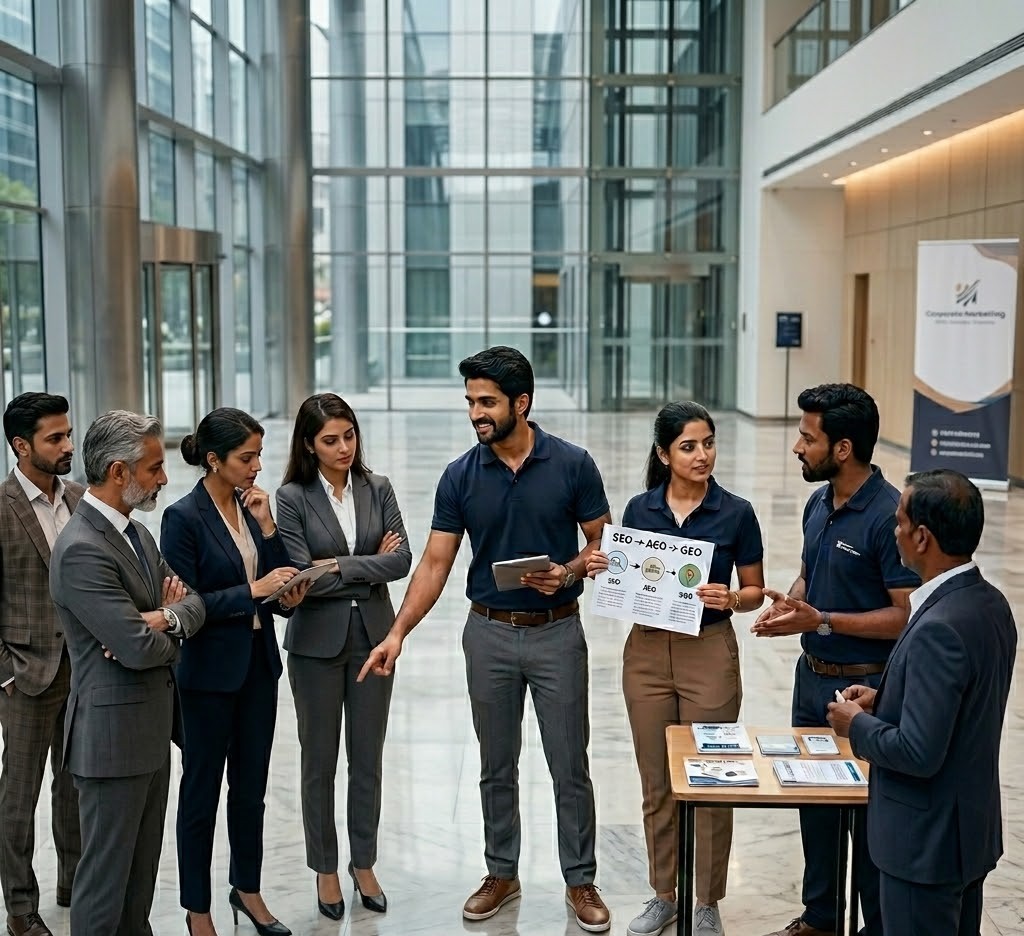
- In the past, marketers focused on which AI tools to use. In 2026, the focus has shifted to how AI can run entire workflows at scale. AI now supports content creation, campaign planning, performance tracking, and optimization.
- The biggest shift is toward Agentic AI — systems that don’t just assist but act. These AI agents can execute repetitive, data-heavy tasks while marketers concentrate on strategy and creativity. Campaigns can be planned, launched, monitored, and refined automatically.
- The new advantage is not how much content a brand produces, but how efficiently its AI-driven systems operate under human guidance.
2. Search Is No Longer Only About Google
- Search behavior has changed. People now discover information across multiple platforms instead of relying on one search engine.
- Different platforms serve different intents:
- Instagram is used for quick and visual discovery.
- Reddit is used for honest opinions and community validation.
- Pinterest focuses on visual inspiration.
- YouTube supports long-form learning and research.
- Voice assistants and AI engines provide direct answers instead of lists of links.
- Search has become an ecosystem. Brands must now optimize for visibility across platforms, formats, and AI-driven answers. This evolution is often described as Search Everywhere Optimization, where SEO expands into AEO and GEO.
3. Marketing Cycles Are Shrinking
- AI has dramatically reduced the time between action and insight. Marketers can now see performance data in real time and respond instantly.
- Examples of this shift include:
- Budgets automatically shifting toward better-performing ads
- Weak creatives being paused quickly
- Targeting adjusting based on live user behavior
- Campaigns being refined within hours instead of weeks
- Marketing is no longer built on fixed timelines. It now runs in continuous feedback loops. Brands that adapt quickly gain a clear advantage.
4. Funnels Have Become Smart Growth Systems
- Traditional funnels were linear and fixed. In 2026, they are dynamic and adaptive.
- AI allows funnels to change based on user behavior:
- High-intent users may receive direct offers
- Hesitant users may receive educational content
- Low engagement triggers adjusted messaging
- Funnels now learn from every interaction. Instead of pushing users through the same path, systems personalize each journey in real time. Marketers are no longer designing static funnels — they are building intelligent growth systems.
5. Understanding the Entire Customer Journey
- Attribution has evolved. Instead of giving credit only to the first or last click, AI now connects every interaction to revenue.
- Marketers can now understand:
- What created the first interest
- What influenced the final decision
- What drives repeat purchases
- This removes guesswork from performance analysis. Marketing results are no longer just measurable — they are explainable.
6. Creator and Community-Led Marketing Is Stronger
- Creators are no longer just promoters. They now collaborate in shaping campaigns and brand narratives. Their audiences trust them because the connection feels real.
- At the same time, communities influence buying decisions more than traditional advertising. Niche groups, private forums, and loyal followers create powerful trust signals. Brands that win in 2026 are those trusted within communities, not just those with high visibility.
7. Short-Form Video Still Leads — But With Purpose
- Short-form video remains dominant, but the strategy has changed. It is no longer about trends and volume. It is about storytelling, credibility, and direction.
- Consumers now use short videos to:
- Discover products
- Compare options
- Make decisions
- Each short clip must guide the viewer toward trust, not just attention.
8. Personalisation Has Become Contextual
- Basic segmentation is no longer enough. Personalisation now depends on:
- Behavior
- Search intent
- Past interactions
- Real-time engagement
- AI uses this data to shape experiences instantly. Emails, ads, and websites adapt based on what users need in the moment. The goal is no longer just to know the customer, but to understand their current context.
Conclusion
- If previous years were about experimenting with new tools, 2026 is about integrating them into one connected system. AI, speed, personalisation, attribution, and community are no longer separate strategies — they now work together.
- Successful brands will be those that balance technology with human insight. Tools may evolve, platforms may change, and formats may shift, but one factor remains constant: trust.
- In 2026, growth will not come from louder marketing, but from smarter systems, faster adaptation, and more meaningful connections with people.